A DOT drug test is federally required under 49 CFR Part 40 for safety-sensitive roles…
The Hidden Costs of Sending Injured Employees Off-Site for Care
Summary
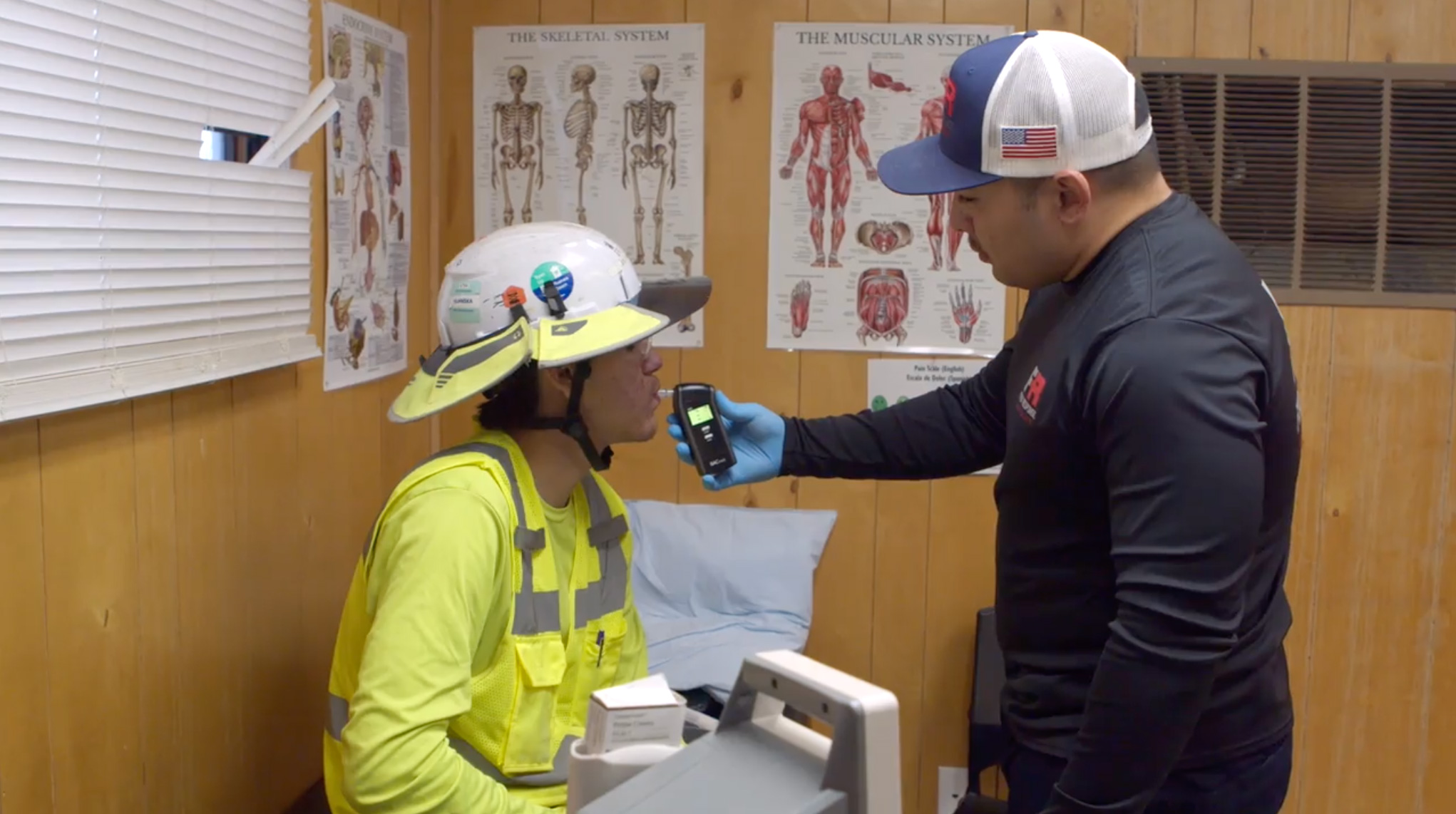
Workplace injury costs add up when a minor injury is treated off-site, through hours away from the job, extra recordkeeping, and the chance that a first aid case becomes OSHA-recordable. With on-site EMTs, paramedics, and nurses from First Response Health & Safety, care can start within minutes, right on the job site.
When a worker gets hurt on the job, the priority is getting them care. For a minor injury, where that care happens matters too. A trip to an off-site clinic adds more than a medical bill to workplace injury costs. It can also mean hours away from the job and more time recordkeeping.
Many of these costs never show up on an invoice. Knowing where they come from makes it easier to see how on-site medical support can help you and your employees work safely, no matter the location.
Why Most Workplace Injury Costs Stay Hidden
OSHA sorts injury costs into two groups. Direct costs are the ones you’d expect, such as workers’ compensation payments, medical bills, and legal fees. The indirect costs of workplace injuries are harder to see. They include lost productivity, time spent investigating the incident, and training someone to fill in.
Insurance usually doesn’t cover indirect costs, so employers bear them. OSHA’s cost estimator uses a sliding scale to estimate them:
- $0 to $2,999 in direct costs: an estimated 4.5 times that amount in indirect costs
- $3,000 to $4,999: 1.6 times
- $5,000 to $9,999: 1.2 times
- $10,000 or more: 1.1 times
OSHA calls these general estimates, so your own numbers will differ. Still, the smaller the injury, the bigger the indirect share tends to be. Much of that share is time.
Off-Site Care Takes Time Away From the Job
Treatment is only one part of an off-site visit. Add the drive there, the check-in, the wait, and the drive back. Someone from your crew often goes along, so two people are off the job.
How long it takes depends on where the worker goes, and urgent care and occupational health clinics vary by location. For emergency rooms, CDC data from 2022 shows that only about 8% of emergency department visits lasted less than an hour, while a large share lasted two hours or more. Those numbers cover every kind of ER visit, not only work injuries, and they don’t include the drive.
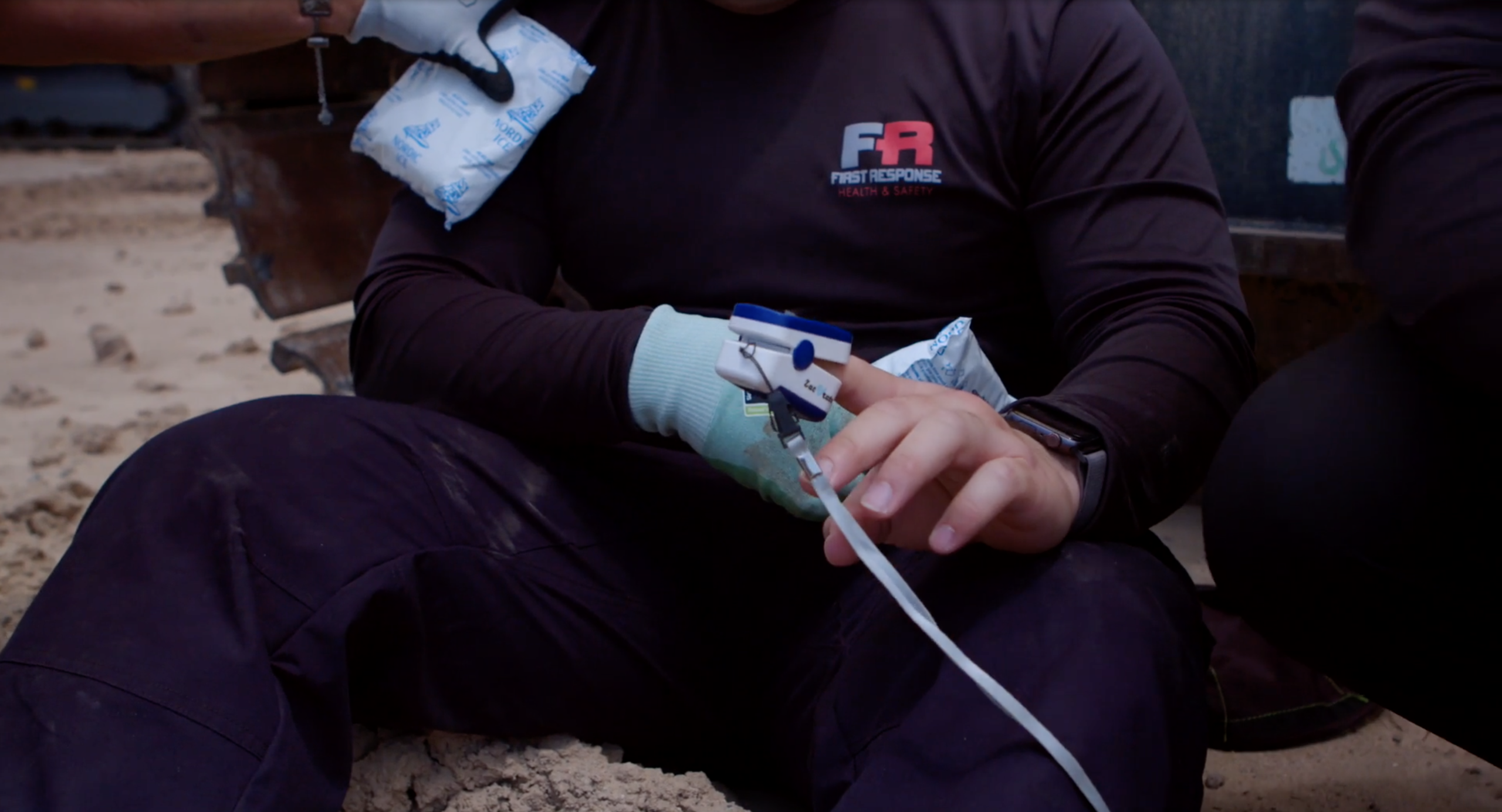
With an on-site medical technician, care can start within minutes. For many minor injuries, nobody has to leave the jobsite.
When First Aid Becomes an OSHA Recordable Injury
Where a worker gets treated can also affect your OSHA log. Companies with 10 or fewer employees, and certain lower-hazard industries, are partially exempt from the federal recordkeeping rule. For everyone else, first aid by itself doesn’t make an injury recordable. Medical treatment beyond first aid does.
The rule defines first aid as a fixed list of 14 treatments. A few of them:
- Cleaning or flushing surface wounds
- Bandages, gauze pads, butterfly bandages, and Steri-Strips
- Nonprescription medication at nonprescription strength
- Drinking fluids to relieve heat stress
Care beyond that list counts as medical treatment. Common examples:
- Stitches, staples, or surgical glue
- Prescription medication
- Rigid braces and other immobilizing devices
- Physical therapy or chiropractic care
A recommendation counts as well. If a licensed provider recommends a prescription, days away from work, or a restriction on routine job duties, the case is recordable even if the worker never follows it.
A clinic provider who has never seen your jobsite may not know what modified duty you can offer. If they recommend a restriction or a prescription to be safe, a first aid case can become a recordable one. The visit itself doesn’t do that. A visit only for observation isn’t medical treatment under the rule, and neither is a diagnostic test like an X-ray.
The same definitions apply no matter who provides the care. An on-site medical professional knows your jobsite and has the training to tell when first aid is enough and when a worker needs more.
How a Recordable Case Affects Your Safety Record and Workers’ Compensation Costs
Owners and general contractors often review a company’s injury record before awarding work, as a CPWR research summary notes. It doesn’t take many cases to move that record. A crew of 50 works about 100,000 hours a year, and one recordable case puts its total recordable incident rate at 2.0. The 2024 private-industry average was 2.3, according to the Bureau of Labor Statistics.
Workers’ compensation works similarly. In most states that use the National Council on Compensation Insurance rating plan, a medical-only claim counts for less than a lost-time injury claim. Your carrier or broker can tell you how that applies to you.
What On-Site Medical Services Add to Your Jobsite
First aid training gives your crew the basics and helps you meet construction site first aid requirements. An EMT, paramedic, or nurse goes further. With a medical professional on-site, someone is there to:
- Assess an injury, check vitals, and decide whether a cut needs a bandage or stitches
- Start stabilizing care for a serious injury and coordinate with EMS
- Watch for early signs of heat illness and fatigue
- Handle post-incident assessments and return-to-work screening
- Document care accurately for injury records and workers’ comp
- Take care of injuries so no one on your crew is pulled away from their own work
On-site care doesn’t replace outside care. Serious injuries still go to EMS or the emergency room right away, and every worker should feel comfortable reporting an injury.
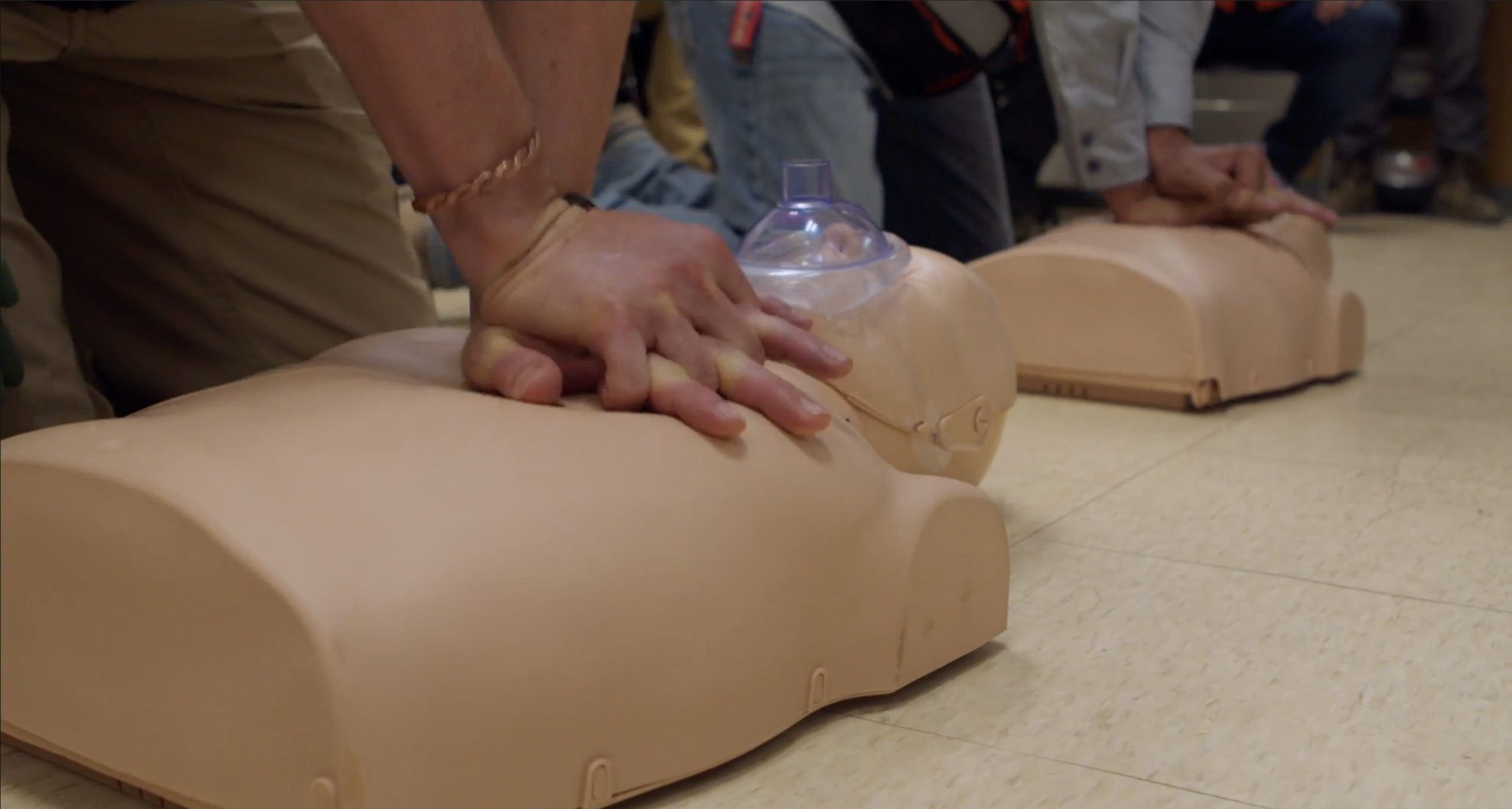
First Response Health & Safety provides on-site first aid and medical services at construction and industrial job sites nationwide, staffed by EMTs, paramedics, and nurses. We also offer CPR and first aid training, so more of your own crew knows how to respond.
Lower Workplace Injury Costs With On-Site Medical Support
With a minor injury, the clinic bill is only part of what an off-site visit costs. Hours away from the job and extra recordkeeping add to it. On-site medical support can get your employees care sooner and help keep workplace injury costs down, wherever your jobsite is.
If you have a project coming up and want to see what on-site coverage could look like, contact First Response Health & Safety. We’d be happy to talk through what fits your jobsite.
Related Posts