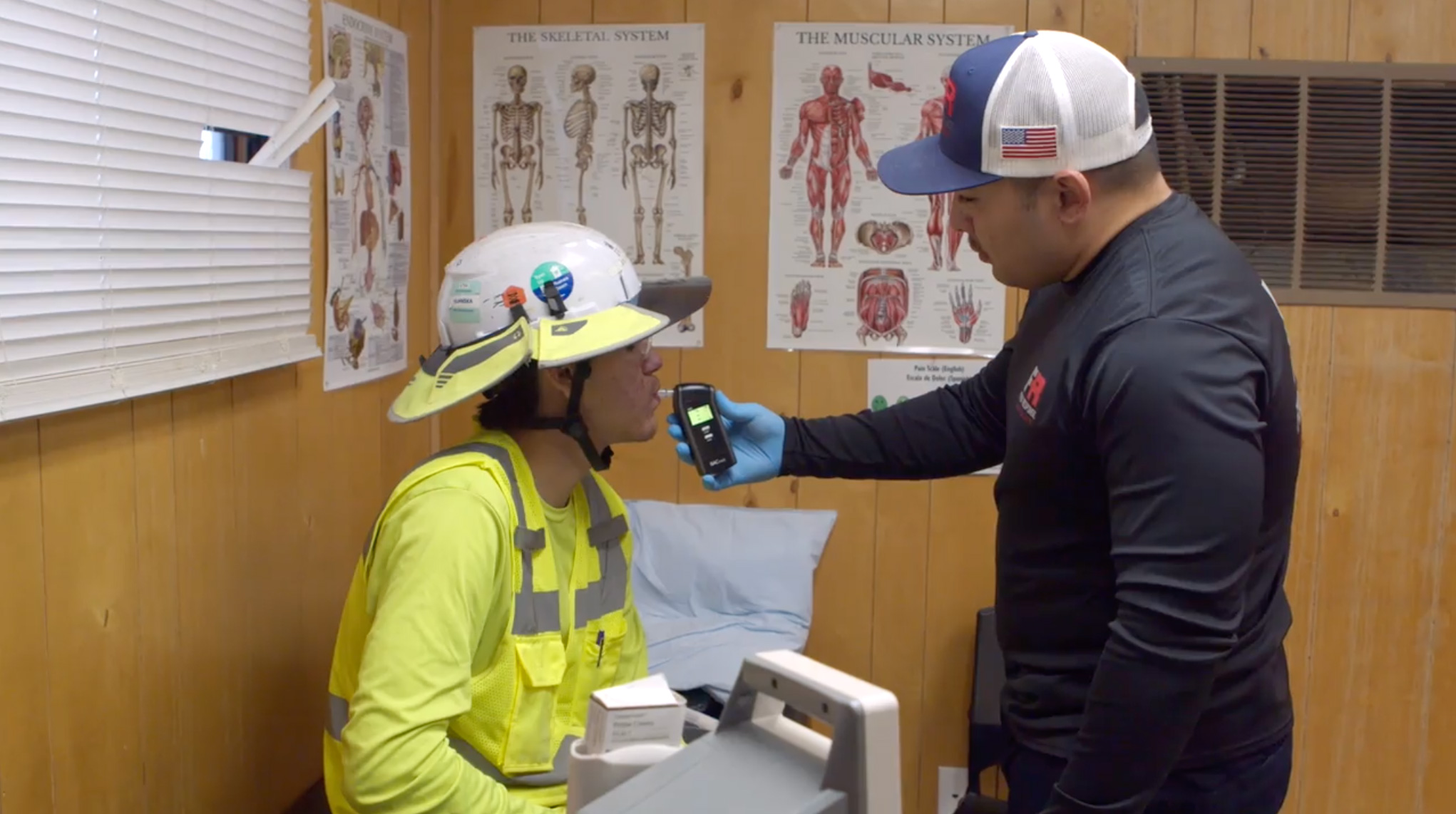
A DOT drug test is federally required under 49 CFR Part 40 for safety-sensitive roles…
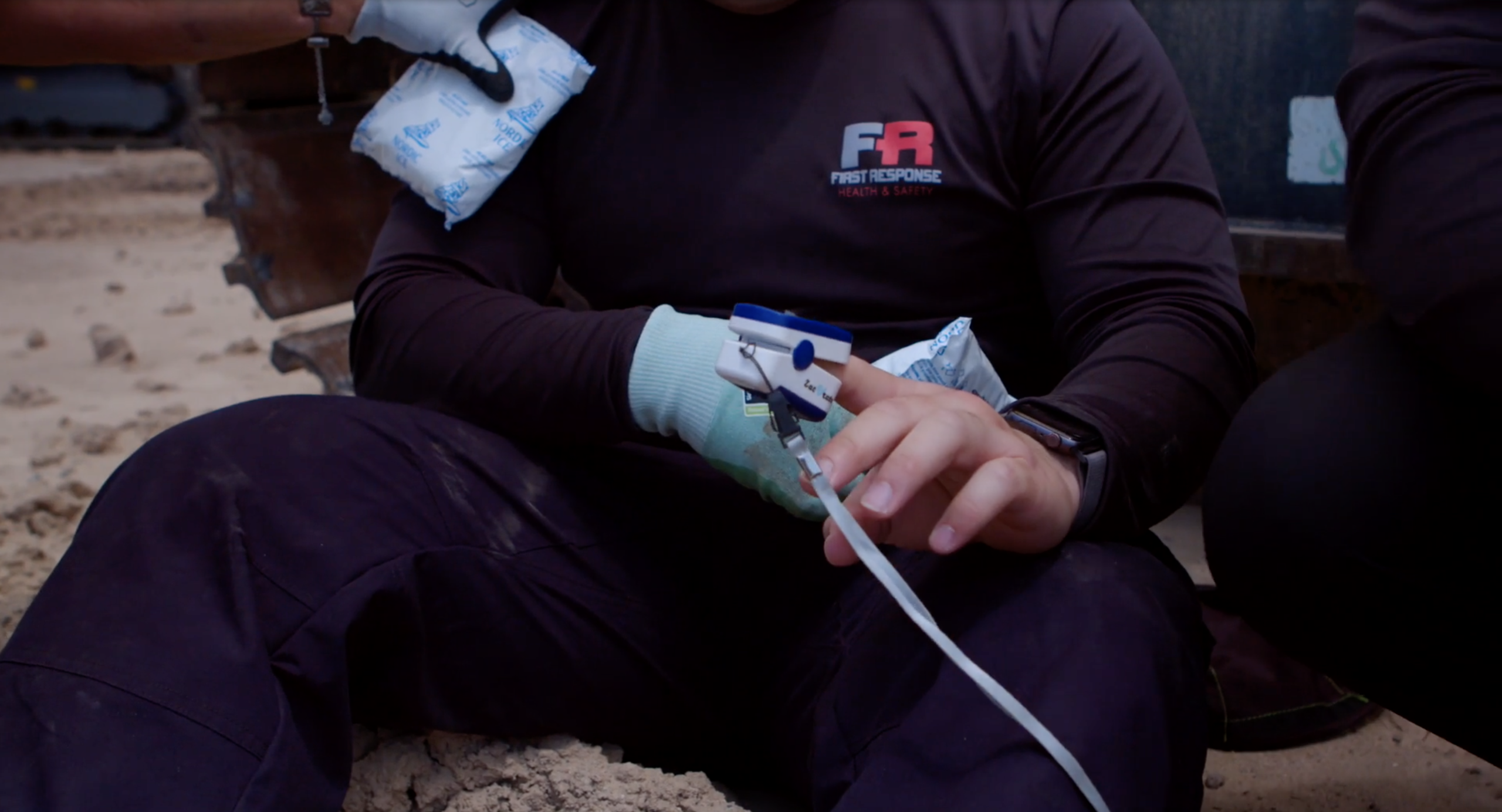
Heat Stroke Prevention for Construction Workers: OSHA Guidelines & On-Site Medical Support
Summary
Heat stroke prevention for construction workers centers on water, rest, shade, training, and emergency planning, the same priorities found in OSHA’s guidance. On-site medical support adds shift-long monitoring, early symptom recognition, and rapid response for crews working through sustained summer heat.
Summer heat is not easing up, and for construction crews, the risk only compounds the longer it lasts. Long hours outdoors under sustained high temperatures take a toll that builds over time, often catching even the most experienced crews off guard. Heat stroke is one of the most dangerous, yet most preventable, emergencies on a jobsite. A proactive heat stroke prevention plan protects workers, reduces costly downtime, and keeps a crew running safely through the summer season.
This guide covers the warning signs every crew member should know, practical prevention strategies, where OSHA’s heat safety guidance currently stands, and how onsite medical support can close the gap between prevention and emergency response.
What Is Heat Stroke?
Heat stroke is the most severe form of heat-related illness. It occurs when the body’s core temperature rises faster than it can cool itself, often reaching 104°F or higher. Without immediate treatment, it can become life-threatening.
Heat exhaustion, the body’s earlier warning stage, is different from heat stroke. Heavy sweating, fatigue, and dizziness are common signs of heat exhaustion, which can often be reversed with rest, fluids, and cooling. Heat stroke is what happens when those warning signs are ignored, and the body’s cooling system shuts down. At that point, sweating may stop entirely, confusion sets in, and serious complications can develop quickly.
Heat stroke is a medical emergency that requires immediate care. Calling 911 is vital, and beginning rapid cooling while waiting for help is essential.
Where OSHA Stands on Heat Safety
There is currently no final federal OSHA standard specifically mandating heat illness prevention. OSHA published a proposed rule, Heat Injury and Illness Prevention in Outdoor and Indoor Work Settings, in August 2024, and that rulemaking process is still ongoing.
In the meantime, OSHA enforces heat safety through two active channels:
- A National Emphasis Program (NEP) on heat-related hazards: This program suggests prioritizing inspections in high-risk industries, including construction, particularly when the heat index reaches 80°F or higher.
- The General Duty Clause of the OSH Act: OSHA recommends that employers take steps to protect workers from recognized hazards, including heat, even where no dedicated standard exists.
OSHA’s existing guidance centers on water, rest, shade, training, and emergency planning. Several states have already put their own heat illness prevention guidelines in place, so it is worth checking what applies in your area.
Early Heat Stroke Warning Signs Every Crew Should Know
Recognizing the signs early is one of the most effective forms of heat stroke prevention. Crews should watch for:
- Confusion or unusual behavior
- Dizziness or fainting
- Severe headache
- Hot or flushed skin, with heavy sweating or dry skin
- Nausea or vomiting
- Rapid heartbeat
- Muscle weakness
- Loss of coordination
If any of these symptoms appear, the affected worker should stop work immediately and move to a cool or shaded area while a coworker calls for medical help. Never wait to see if these symptoms pass on their own.
Practical Heat Stroke Prevention Tips for Construction
Hydration
- Drink water before feeling thirsty. Thirst is already a sign of mild dehydration.
- Increase fluid intake steadily throughout the shift rather than all at once.
Rest & Recovery
- Schedule more breaks during the hottest part of the day.
- Use shaded or air-conditioned recovery areas whenever possible.
Proper Planning
- Acclimate new or returning employees gradually over several days.
- Rotate the most physically demanding tasks among the crew.
- Monitor weather forecasts and heat index, not just temperature, to anticipate risk.
Team Awareness
- Encourage a buddy system so no one is responsible for monitoring their own symptoms alone.
- Train supervisors to recognize early warning signs.
- Make sure emergency response procedures are written down and understood before they are needed.
How On-Site Medical Support Prevents Heat Stroke
Hydration stations and training are important, but some jobsites need an added layer of protection to respond quickly when conditions change. First Response Health & Safety helps employers build a complete heat illness prevention program, including:
- Onsite medical professionals
- Heat illness monitoring throughout the shift
- Early symptom recognition and worker evaluations
- Rapid emergency medical response
- Wellness screenings before and during high-heat periods
- Hydration and cooling support
- Safety professionals experienced in high-risk environments
This support extends across construction, industrial facilities, utility projects, and data center construction. Anywhere crews face sustained heat exposure, the margin for error is thin.
Building A Heat Stroke Prevention Plan Before Temperatures Rise
Heat stroke prevention starts long before an emergency happens. Preparation, training, and onsite medical support work together to reduce risk and protect both your workers and project timeline. A heat-related emergency does not just put a worker’s health at risk; it can shut down a site for an entire day, creating costly delays and additional safety concerns.
Don’t Wait Until It’s an Emergency
Heat-related incidents rarely stay contained to one worker. A single case of heat stroke can pull a foreman off the job, halt work while EMS responds, and trigger a safety review that delays the whole timeline, sometimes for the rest of the week. The cost of “we’ll figure it out if it happens” is almost always higher than the cost of planning ahead. Waiting for a worker to show symptoms means you are already behind.
Talk to First Response Before the Next Heat Wave Hits
Peak summer doesn’t give crews a grace period, and neither should your safety plan. First Response Health & Safety works directly with employers to put real protection on the ground: trained medical staff, shift-long monitoring, and a response plan that’s ready before it’s needed. Reach out today to find out what coverage looks like for your jobsite.
Related Posts