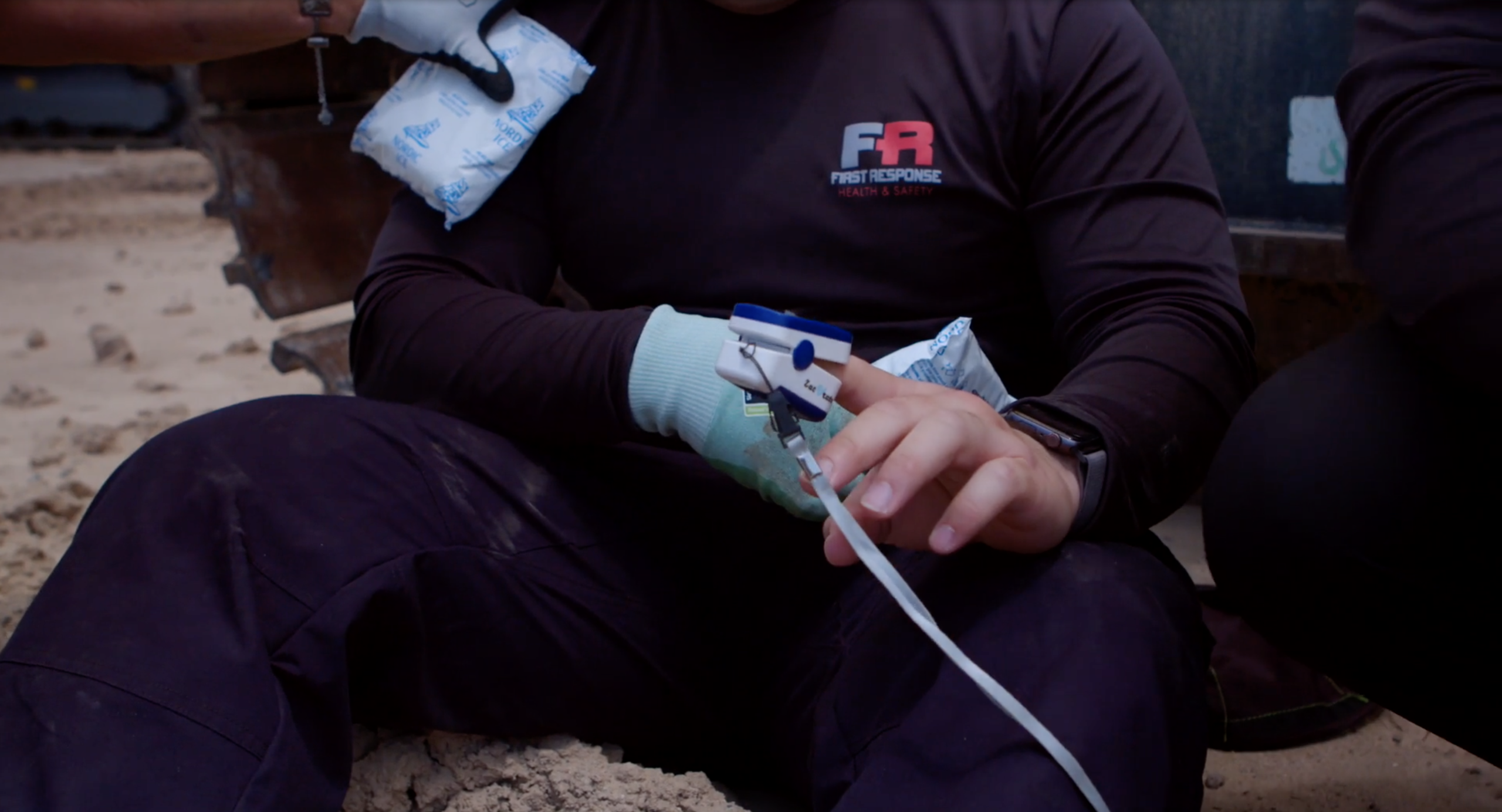
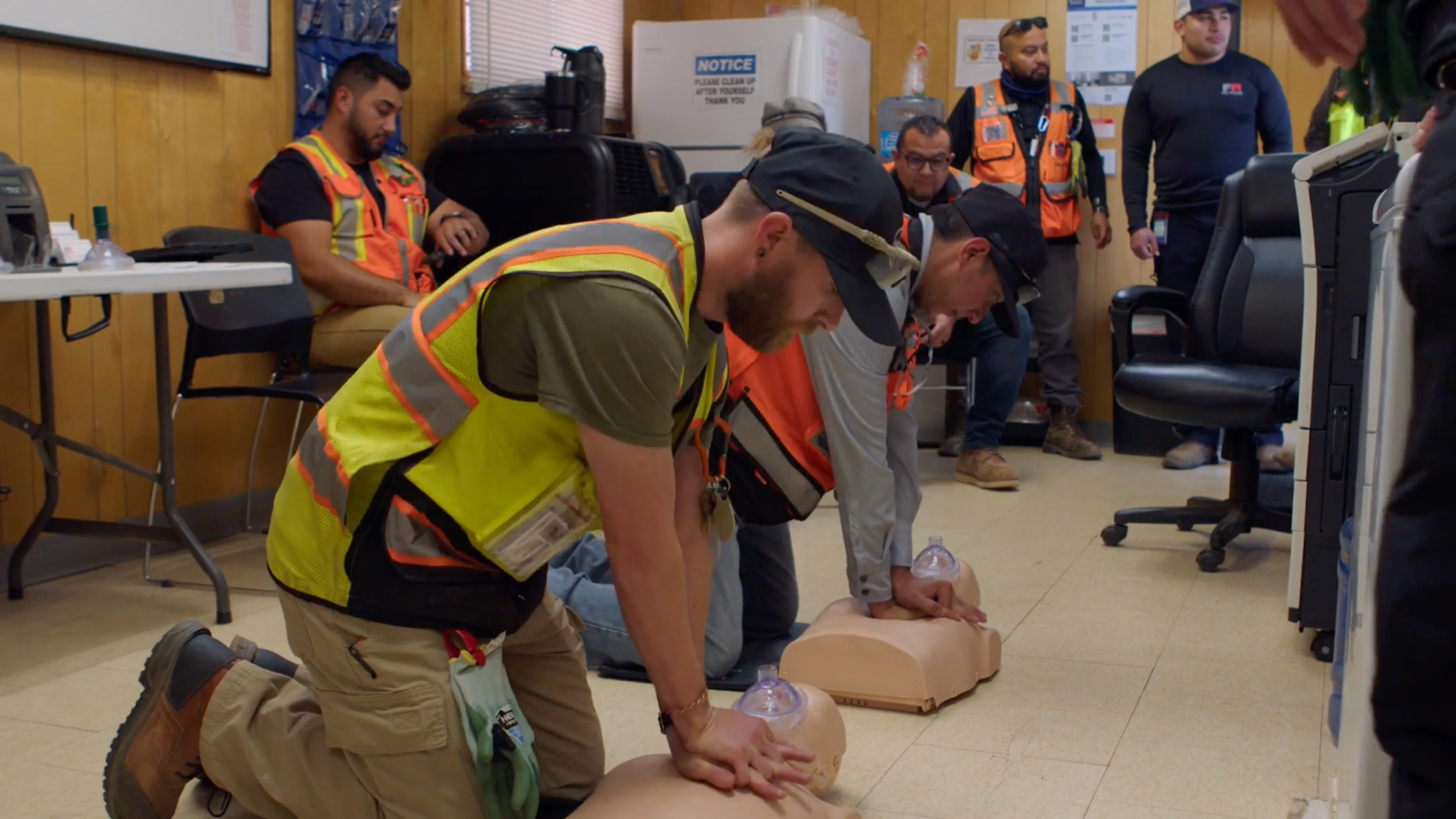
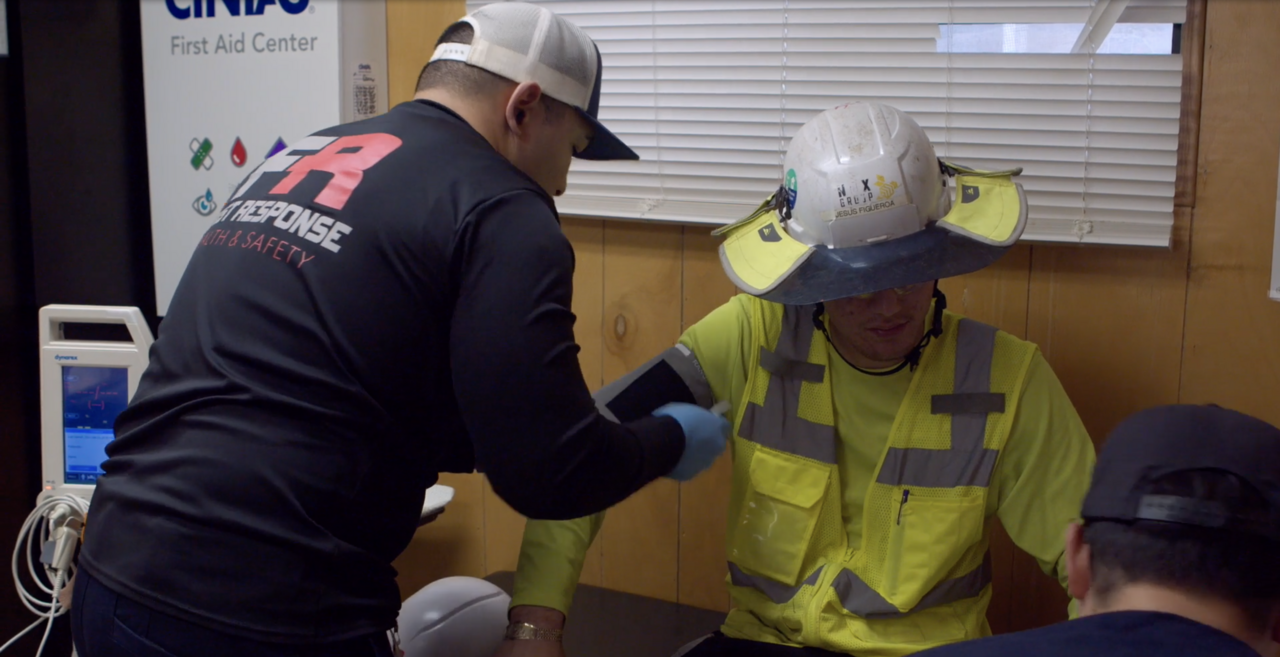
Summer heat is not easing up, and for construction crews, the risk only compounds the…
How Often Should Employees Be CPR Certified?
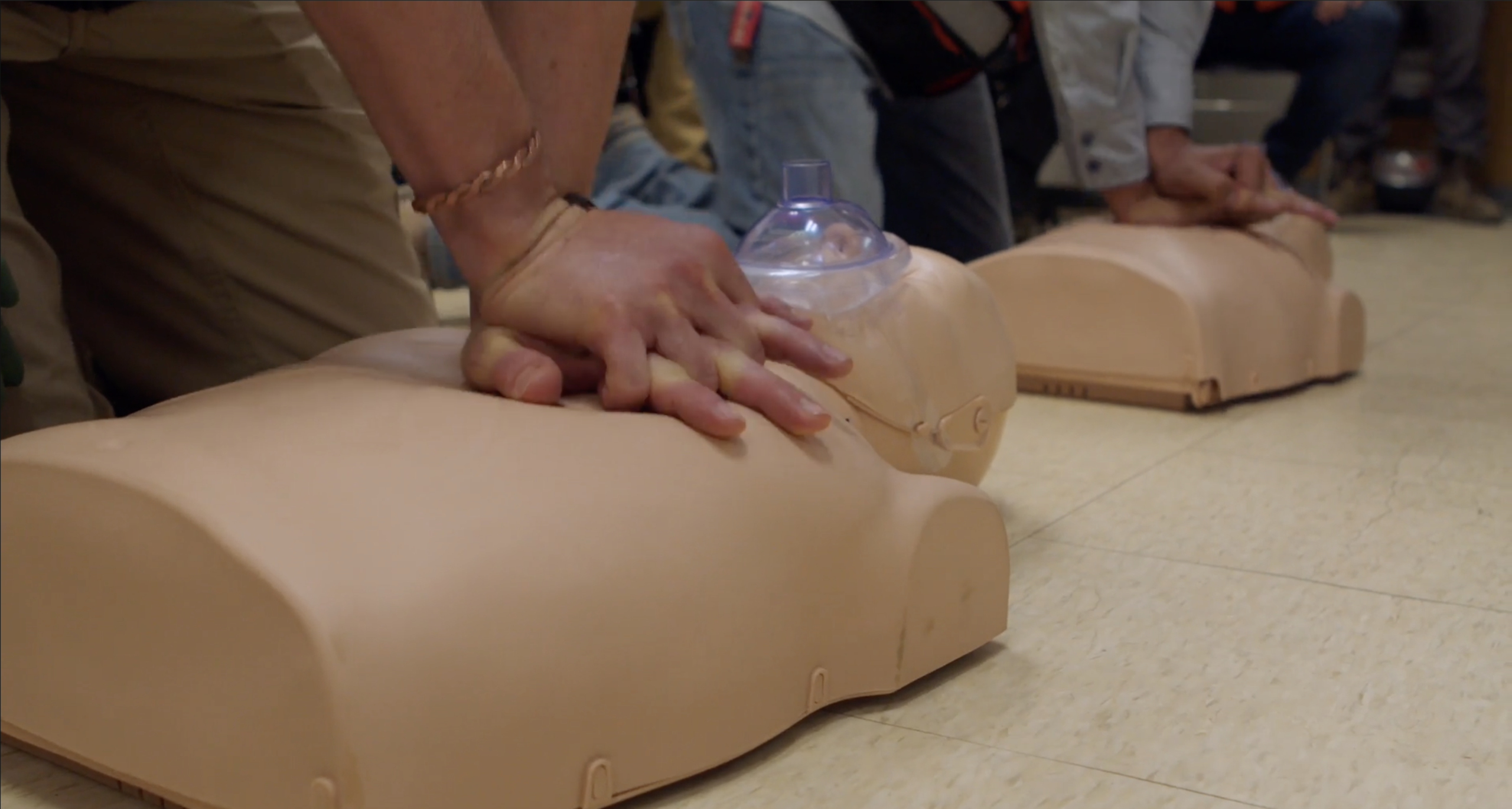
CPR certification isn’t a one-and-done credential. Skills fade, guidelines evolve, and the confidence to act in a real emergency depends on regular practice. For employers building or maintaining a workplace safety program, knowing exactly how often to recertify your team is essential to staying compliant and, more importantly, staying prepared. On-site CPR training makes that renewal cycle far easier to manage, since your entire team can get certified together with minimal disruption to operations.
The Standard Renewal Timeline
The American Heart Association and the American Red Cross, the two most widely recognized CPR certifying bodies, set the standard renewal window at two years. This isn’t an arbitrary cutoff. According to the American Red Cross Scientific Advisory Council, CPR skill retention begins declining within a few months of initial training, and fewer than half of course participants can still pass a skills test just one year later. In practice, that means someone a year into their two-year certification may already struggle to perform CPR correctly if called on to act.
A certification card that’s still technically valid doesn’t guarantee an employee can perform CPR effectively under pressure. Building recertification into a routine schedule keeps skills sharp, not just paperwork current.
When More Frequent Training Makes Sense
While two years is the general standard, certain workplaces benefit from a shorter cycle:
- High-risk industries. Construction, manufacturing, and industrial settings where injuries are more likely to warrant annual refreshers, even if formal certification isn’t due.
- Healthcare and caregiving environments. Staff who may need to respond immediately, such as those in clinics, senior care facilities, or fitness centers, often recertify yearly to maintain confidence and response speed.
- Workplaces with automated external defibrillators (AEDs). Since CPR and AED training are frequently bundled together, keeping both current on the same cycle simplifies scheduling and ensures staff isn’t rusty on either skill.
- High turnover teams. Organizations that bring on new employees regularly should treat CPR training as part of onboarding, rather than waiting for a companywide renewal date.
- Teams that can’t afford downtime. For employers who don’t want to send staff off-site for training, on-site CPR training lets an instructor come directly to the workplace, so certification and recertification can happen in shifts without pulling the whole team off the floor at once.
OSHA and Industry Requirements
OSHA does not require every employer to have CPR-certified staff on-site. Instead, its general industry standard (29 CFR 1910.151(b)) and construction standard (29 CFR 1926.50(c)) require that, in the absence of a nearby infirmary, clinic, or hospital, employers ensure a person adequately trained in first aid is available to respond. Employers can satisfy this requirement either by training an employee or by confirming that outside emergency medical services are reasonably close by. OSHA has interpreted “reasonably close” to generally mean emergency responders can arrive within 3 to 4 minutes for workplaces where serious injuries are more likely (such as falls, electrocution, or amputation), with a longer window of up to 15 minutes considered acceptable in lower-risk settings like offices.
A small number of OSHA standards go further and make first aid training mandatory regardless of proximity to EMS. Examples include logging operations (29 CFR 1910.266(i)(7)) and the electric power industry (29 CFR 1910.269(b)). Outside of these specific standards, OSHA officially recommends, but does not require, that every workplace have one or more employees trained and certified in first aid, including CPR.
In practice, this means most employers have flexibility in how they meet the underlying requirement. Still, many choose to certify staff directly because relying on outside EMS response time carries more risk and administrative burden. Employers should confirm requirements for their specific industry and state, since some states with OSHA-approved plans interpret first aid standards more strictly than OSHA.
Beyond legal compliance, many employers choose to certify broader segments of their workforce voluntarily. Having multiple trained employees per shift or per floor reduces response time in an emergency and reflects well in safety audits.
Building a Recertification Schedule that Works
The easiest way to avoid lapsed certifications is to stop tracking them manually.
Consider:
- Setting recertification reminders tied to each employee’s original certification date
- Scheduling group training sessions annually, even for employees not yet due, to reinforce skills between formal renewals
- Pairing CPR recertification with other training to reduce disruption to daily operations
- Designating a safety coordinator responsible for monitoring certification status across the team
- Booking on-site CPR training for the whole team at once, so certification dates stay aligned and easier to track going forward.
Why It’s Worth Prioritizing
Cardiac events and workplace injuries don’t wait for a convenient time. Employees with current CPR certification respond faster, perform compressions more effectively, and are more likely to act without hesitation. A well-maintained recertification schedule isn’t just about staying compliant. It’s about making sure your team is ready the moment it matters.
First Response Health & Safety offers on-site CPR training and AED certification and recertification courses designed to fit your team’s schedule and industry requirements. Contact us to build a training plan that keeps your workplace compliant and prepared.
Related Posts