CPR certification isn't a one-and-done credential. Skills fade, guidelines evolve, and the confidence to act…
What Is an On-Site Medical Technician? Benefits for Construction & Industrial Sites
Construction and industrial job sites carry risks most workplaces never face. Falls from height, heavy equipment, electrical hazards, and extreme heat are part of the daily environment, and medical emergencies can happen without warning.
The numbers back this up. In 2024, over a thousand construction workers died on the job. The industry’s fatality rate of 9.2 deaths per 100,000 full-time workers remained among the highest of any sector.
When an injury or cardiac event happens, waiting for outside help costs workers their lives. The average EMS response time nationwide exceeds 8 minutes, and remote or congested jobsites can wait longer. More companies are closing that gap the most direct way possible: putting medical equipment and professionals directly on the jobsite.
What Is On-site Medical Support?
On-site medical support places certified medical professionals including EMTs, paramedics, nurses, or full medical response teams at your workplace so injured workers receive immediate care.
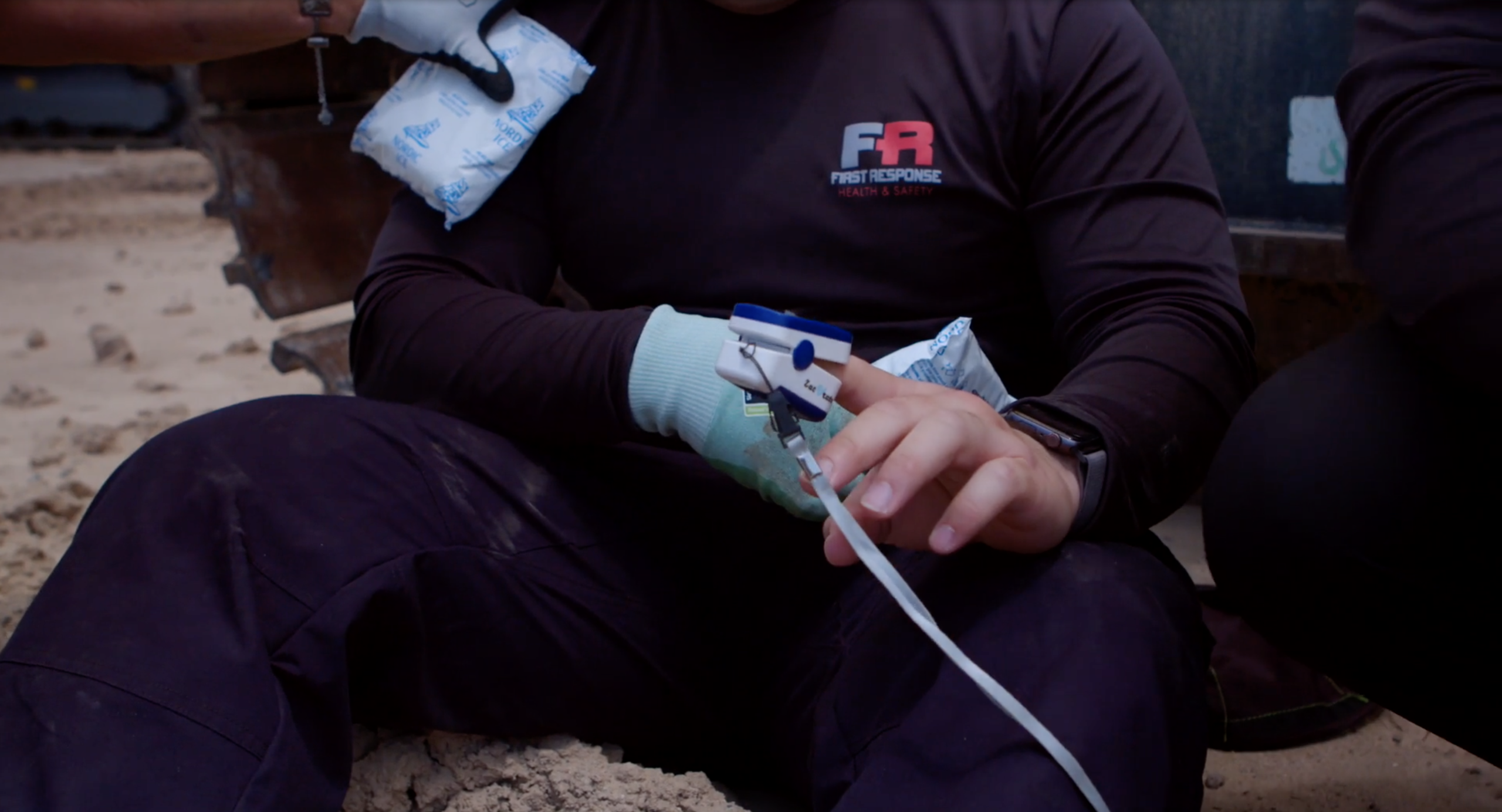
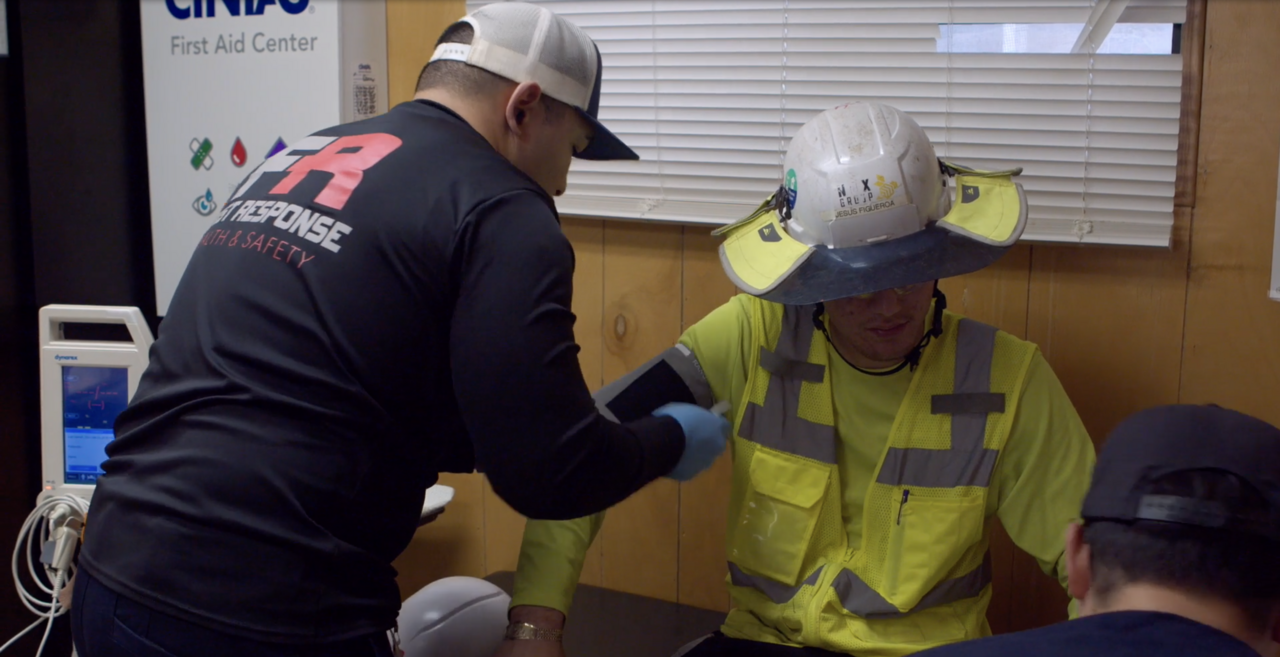
These professionals do more than just wait for something to go wrong. A typical day includes injury evaluations, first aid treatment, and monitoring workers for early signs of heat illness or fatigue. When an emergency occurs, they are able to respond in seconds. Stabilizing the patient, coordinating with EMS, and documenting the incident from start to finish, records that matter later for OSHA reporting and workers’ compensation.
The Benefits of an On-site Medical Technician
Faster Emergency Response. Seconds matter. When injury or illness occurs, the on-site medical technician begins treatment immediately, stabilizing the patient before EMS arrives. For cardiac arrest, severe bleeding, or heat stroke, that head start from the on-site medical professional can be the difference between recovery and tragedy.
Reduced Downtime. Not every injury needs an emergency room. Cuts, sprains, and minor burns can often be treated on-site, so workers can return to their tasks when appropriate instead of losing half a day to the urgent care waiting room.
Improved Workforce Confidence. Workers perform better when they know help is immediately available. Visible medical support tells your crew their safety is a real priority, resulting in a crew that feels protected and works with focus.
Stronger Safety Programs.On-site medical professionals work alongside your safety personnel every day. Spotting injury patterns, flagging emerging risks, and sharpening emergency preparedness before an incident happens.
OSHA Requirements and Medical Readiness
OSHA’s medical service and first aid standard for construction, 29 CFR 1926.50, requires employers to plan for prompt medical attention before work begins, so workers can get care quickly if an emergency occurs.
What the standard actually requires is more modest than many assume: if a hospital, clinic, infirmary, or physician isn’t reasonably accessible to the worksite, at least one person holding a valid first aid certificate must be available on-site. That’s the legal floor. OSHA’s interpretive guidance does reference a benchmark of medical attention within three to four minutes on sites where serious hazards like falls or electrocution are present, but this is a recommended standard for emergency responsiveness, not a separate mandate requiring EMTs or paramedics on staff.
In practice, very few job sites sit minutes from a hospital, which is exactly the gap on-site medical professionals are built to close. A person certified in first aid can satisfy the letter of the regulation, but a dedicated EMT, paramedic, or nurse on-site goes well beyond it, delivering faster, more advanced care and stronger documentation for OSHA reporting and workers’ comp. For high-hazard sites, this isn’t about checking a compliance box; it’s about giving your crew a level of readiness the minimum standard was never designed to provide.
Who Benefits Most from On-site Medical Support?
No matter the workplace, there are endless benefits to faster medical response, but higher-risk environments demand a higher level of preparedness:
- Construction projects with fall, struck-by, and electrical hazards
- Manufacturing facilities with heavy machinery and chemical exposure
- Industrial operations involving confined spaces or high-voltage systems
- Data Centers with electrical work and tight construction timelines
- Energy projects, often in extreme heat
- Remote jobsites, where the nearest hospital may be 30 minutes away or more
The pattern is simple: the greater the hazard and the longer the EMS response time, the stronger the case for on-site medical technicians.
On-site Medical Is More Than Emergency Response
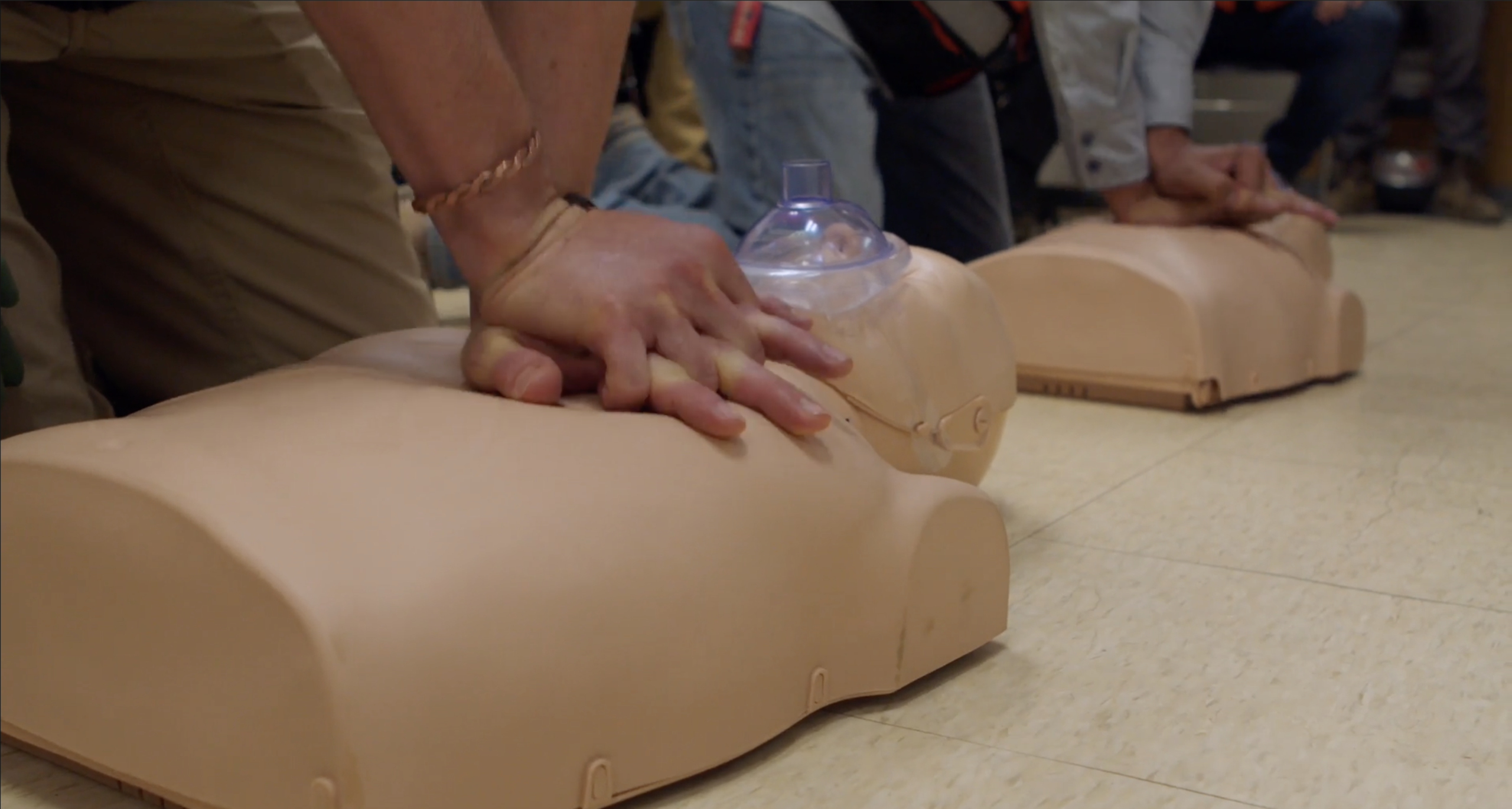
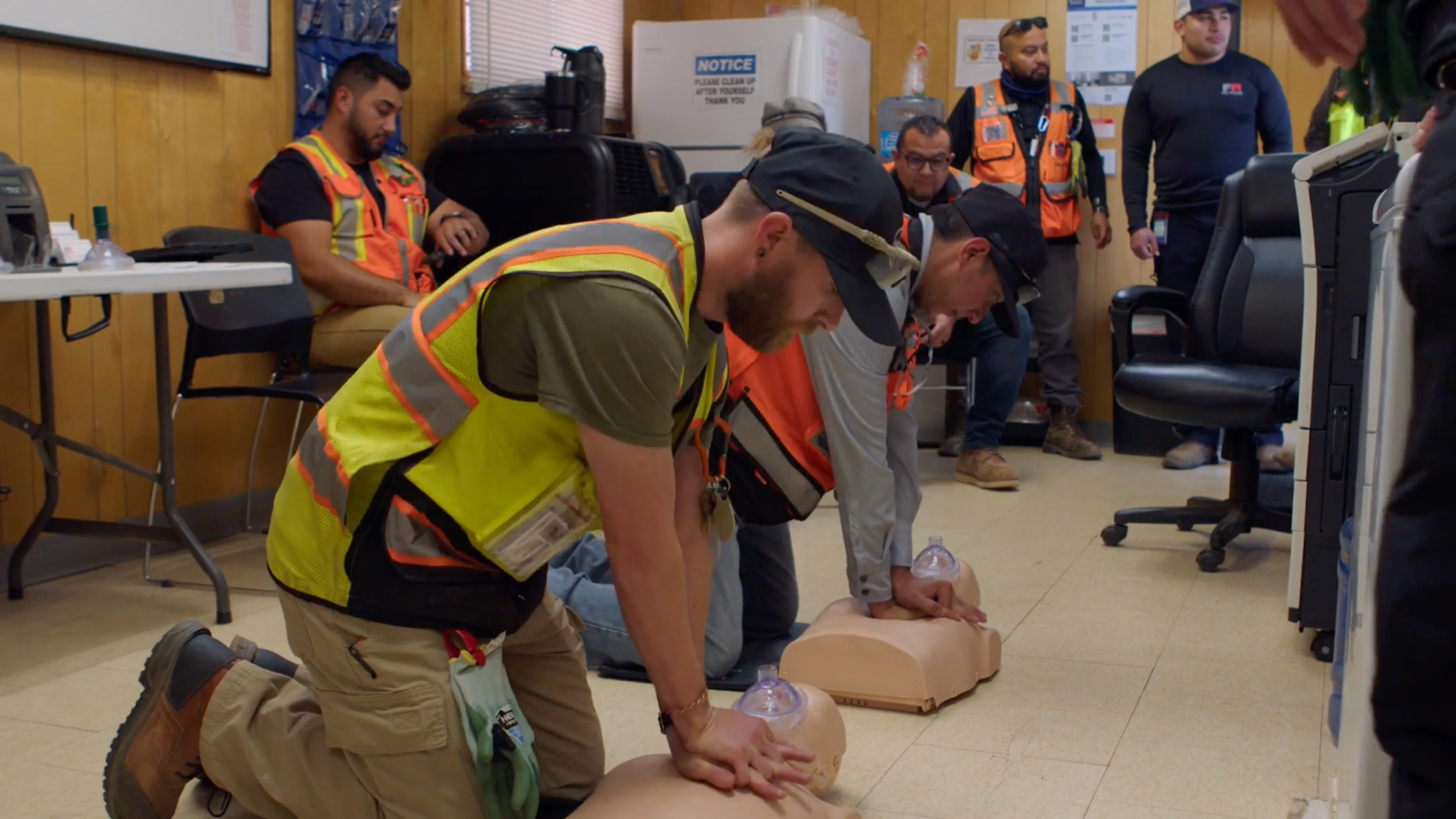
Many people assume that on-site medical teams just wait for accidents. In reality, most of their value comes from everything they do before the emergency happens. A complete program includes wellness screenings, heat illness prevention, return-to-work evaluations, drug and alcohol testing, CPR, First Aid, and AED training that turns your own crew into capable first responders.
Emergency response saves lives. Prevention keeps emergencies from happening. The best programs do both.
Investing in a Safer, Healthier Workforce
On-site medical support shortens response times, keeps minor injuries from becoming major disruptions, and strengthens every part of your safety program. It helps companies exceed the baseline OSHA standard, reduce risk, and build a jobsite where workers know their health comes first.
Interested in on-site medical support for your project? Contact First Response Health & Safety to learn how our EMTs, paramedics, nurses, and safety professionals can help protect your workforce on construction, industrial, and mission-critical sites nationwide.
Related Posts