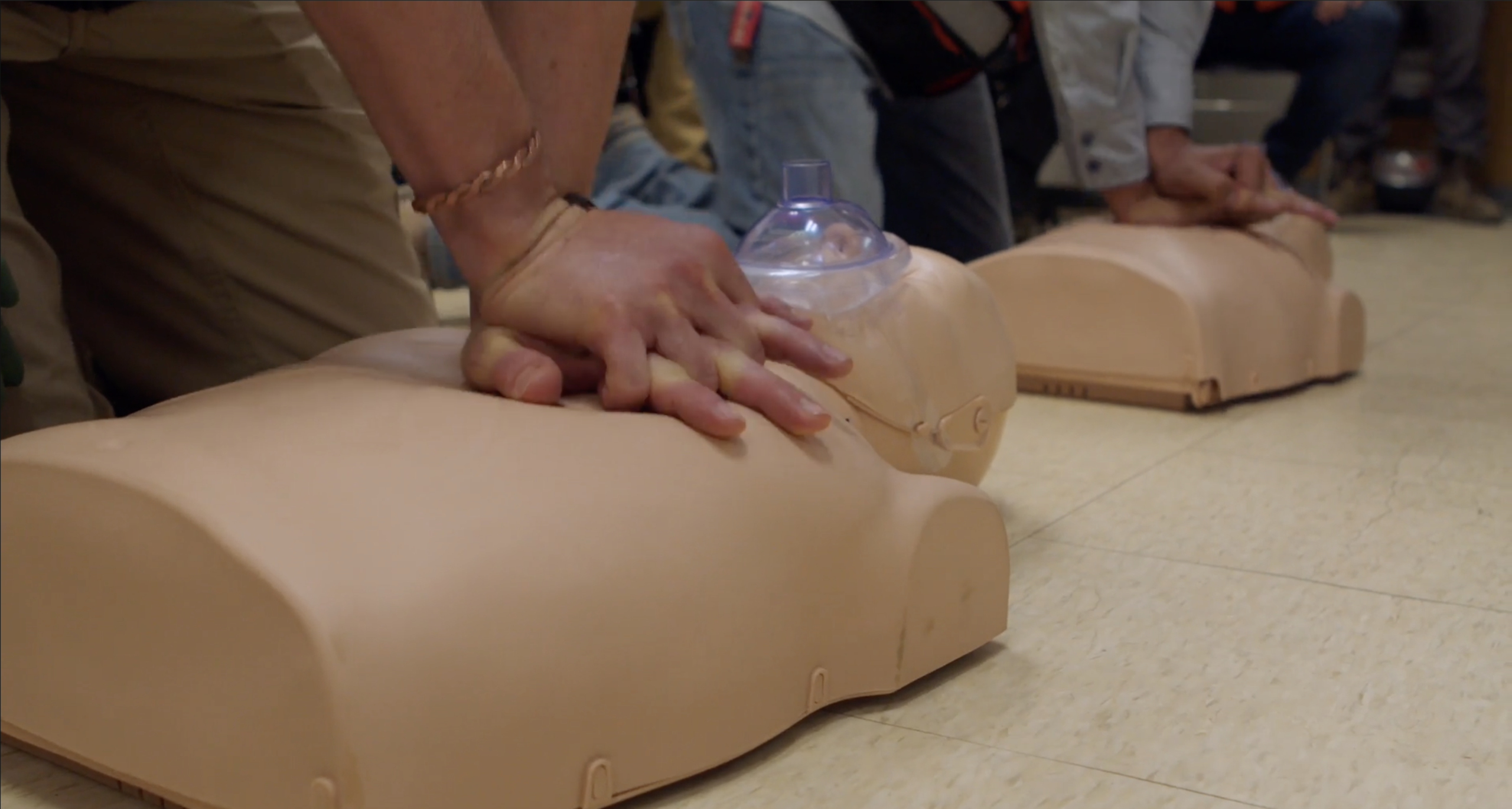
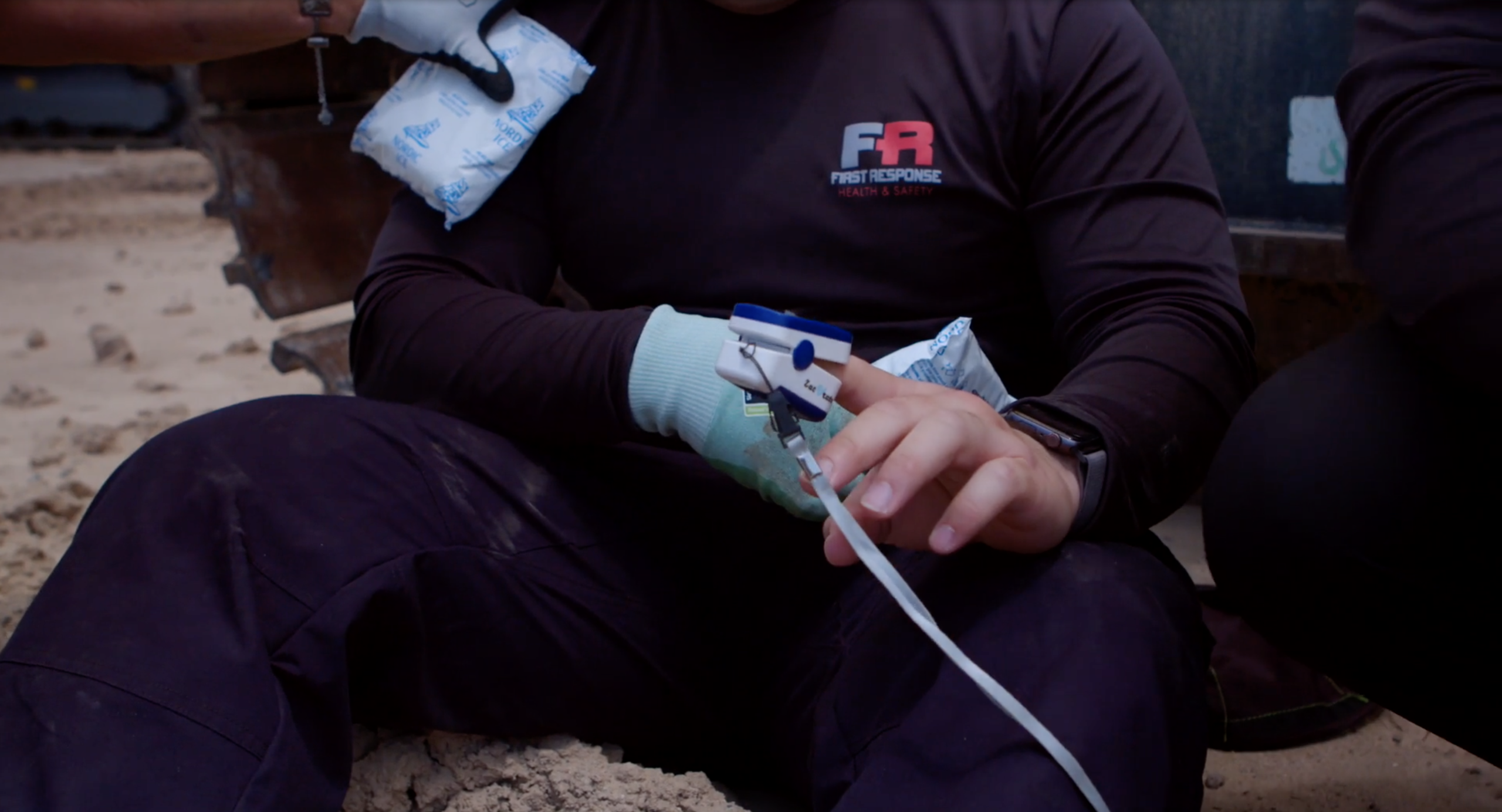
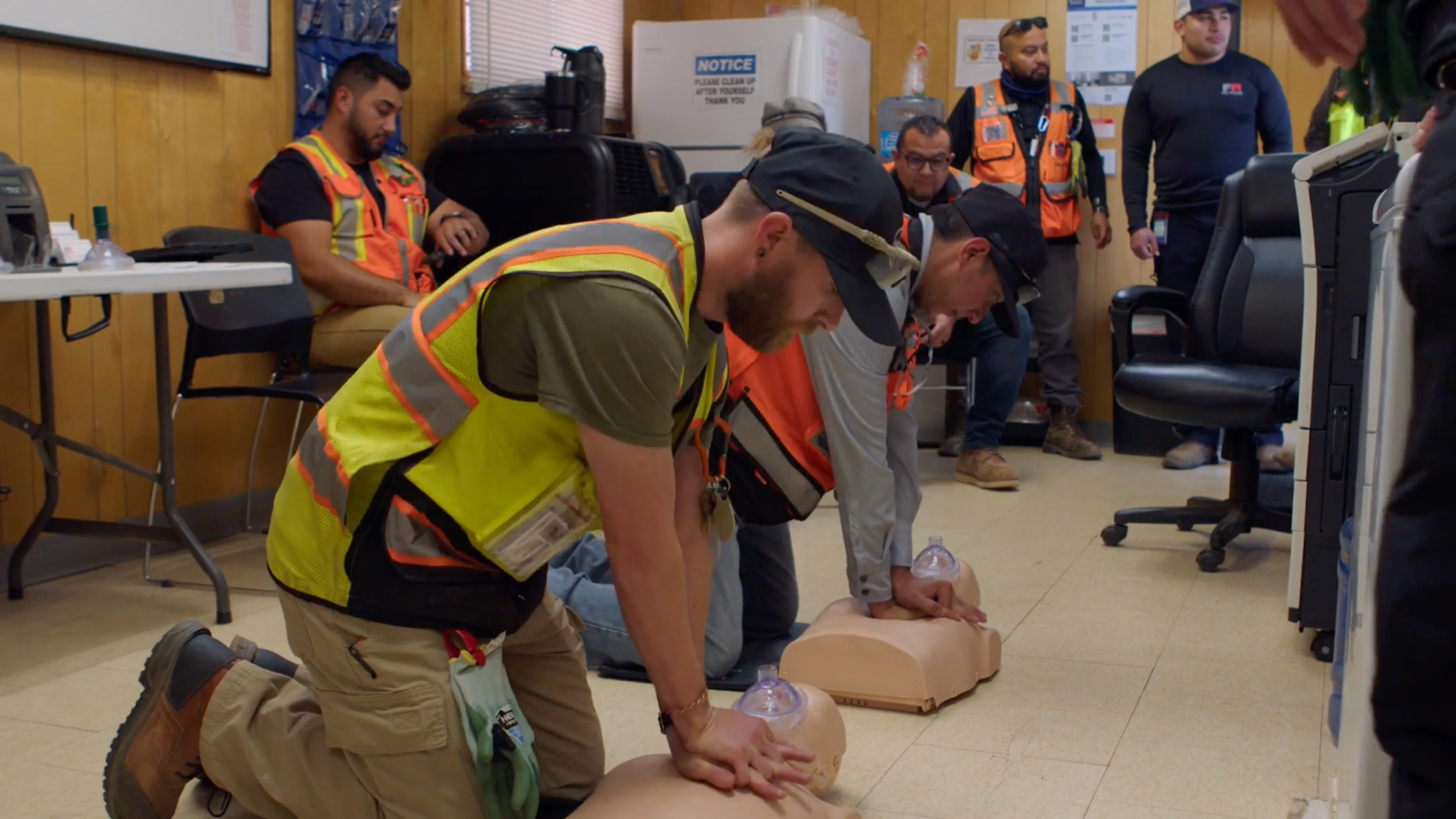
CPR certification isn't a one-and-done credential. Skills fade, guidelines evolve, and the confidence to act…
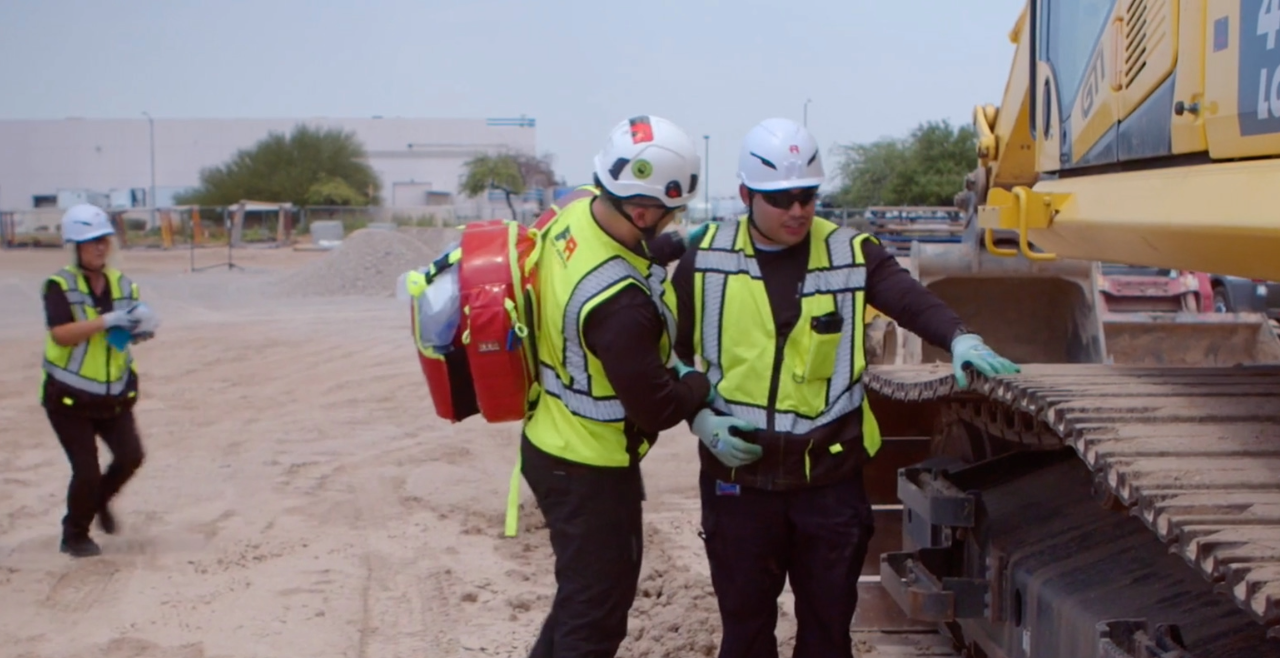
OSHA Compliance Checklist for Construction Job Sites
Keeping a construction job site compliant with OSHA standards comes down to having the right systems implemented before an inspector arrives. Inspections on construction sites have increased in frequency. This checklist covers the areas OSHA evaluates so your site stays protected, productive, and audit-ready at every stage of the project.
Personal Protective Equipment (PPE) on Construction Job Sites
OSHA’s 2025 update to 29 CFR 1926.95 requires PPE to fit each worker.
- Hard hats meeting ANSI Z89.1 standards are required for all workers and visitors, and inspected weekly for cracks, dents, or worn suspensions
- Eye and face protection matched to the specific task, meeting ANSI Z87.1 standards, with prescription safety glasses available for workers who need them
- High-visibility vests at Class 2 minimum, and Class 3 required near traffic exceeding 25 mph
- Respiratory protection program in place for silica, asbestos, or chemical exposures, with fit tests conducted and records maintained
- Gloves matched to specific task hazards, and inspected daily for wear, punctures, or chemical damage
- PPE fit documentation on file for all tight-fitting respirators
Fall Protection Requirements for Construction Sites
Falls are the leading cause of construction fatalities and one of the most frequently cited OSHA standards under 29 CFR 1926.502. Physical systems need to be in place, but written plans and documented inspections are what hold up during a site review.
- Guardrails installed on elevated surfaces 6 feet or higher, with top rails at 42 inches, mid-rails halfway between top rail and work surface, and rated to withstand 200 pounds of force
- Personal fall arrest systems are inspected before each use, and anchor points are rated for 5,000 lbs per worker or designed by a qualified engineer
- Safety nets positioned no more than 30 feet below the work surface, and inspected weekly for holes, wear, or debris
- Extension ladders extending at least 3 feet above the landing surface, with the base set at one-quarter of the working length from the wall
- Written, task-specific fall protection plan documented and enforced across the site
Tool and Equipment Inspections
- Pre-shift scaffold inspection by a competent person before each shift, and reinspected after any weather event affecting stability
- Daily crane inspection covering operational controls, safety devices, and structural components, with operator certifications on file and all periodic and annual inspections documented
- GFCIs are required on all electrical tools, power cords are checked for damage, and GFCIs are tested monthly
- Equipment logbooks are maintained with deficiencies noted, repairs documented, and clearance dates recorded
- Excavation protective systems are in place for any dig 5 feet or deeper, with trench boxes or proper sloping implemented
- A competent person is designated and documented for each high-hazard work scope
Site-Specific Safety Plan and Hazard Communication
A safety plan built around your project’s actual hazards is a core requirement under OSHA’s Hazard Communication Standard (29 CFR 1926.59). Generic documentation that doesn’t reflect real site conditions creates compliance gaps that are difficult to defend during an inspection.
- Written hazard communication program in place with Safety Data Sheets accessible to all workers
- Site-specific hazard map distributed before work begins and updated as conditions change
- Emergency contacts, evacuation routes, and assembly points are documented, posted, and communicated to everyone on-site
- Site maps covering emergency exits, first aid stations, fire extinguisher locations, utility lines, and restricted areas are kept current throughout the project
- Weather-related protocols documented, covering wind speed limits for crane operations, temperature thresholds for concrete work, and heat illness prevention procedures
Training Records and Certifications
Training documentation is the first thing OSHA inspectors request. Missing or incomplete records are one of the most common citations in construction.
- OSHA 10 or OSHA 30 certifications verified for all supervisory and safety-sensitive personnel
- Site-specific safety orientation completed and signed by every worker before starting, with date, topics, instructor name, and signature on record
- Pre-shift safety briefings and toolbox talks logged with date, attendees, and topics discussed
- Specialized certifications on file for crane operators, forklift drivers, and other licensed roles with renewal dates tracked
- All training records are retained on-site for at least five years per OSHA recordkeeping requirements
On-Site Medical Coverage and Emergency Response
OSHA 29 CFR 1926.50 requires medical personnel to be available for consultation on all construction sites. On higher-hazard projects, on-site medical support reduces unnecessary off-site treatment, supports faster return to work, and produces documentation that holds up in a post-incident review.
- First aid-trained personnel present and scaled to crew size, with supplies stocked and inventoried regularly
- Emergency response plan with hospital contacts and EMS coordination assigned to specific personnel
- On-site medical personnel in place for high-hazard scopes or larger crews
- Return-to-work evaluations are conducted and documented for workers recovering from on-site injuries
- Post-incident medical response capability is confirmed before work begins each day
First Response Health & Safety provides on-site EMTs, paramedics, and nurses for construction sites and mission-critical environments, covering emergency response, wellness screenings, post-incident assessments, and full EMS coordination directly on your site.
On-Site Drug and Alcohol Testing
A documented on-site drug and alcohol testing program is required on federally funded projects and is increasingly standard in private construction contracts. Post-incident testing conducted immediately after any workplace accident is one of the most important protections a site can have in place for both worker safety and liability protection.
- Pre-employment screening is completed before any worker starts on-site
- Random testing program with documented, unannounced selection procedures in place throughout the project
- Post-incident testing is conducted immediately, with the chain-of-custody documentation intact from collection through results
- Reasonable suspicion, return-to-duty, and follow-up testing procedures are documented and consistently applied
- Full DOT or non-DOT compliant records are maintained for every test conducted
Put the Right Support in Place
First Response Health & Safety provides third-party safety professionals, on-site medical services, CPR and first aid training, and drug and alcohol testing for construction sites and industrial facilities nationwide. Our team delivers hands-on compliance support and medical coverage tailored to your site, schedule, and project requirements.
Call (480) 401-1156 or schedule a free consultation today.
Related Posts